Keep the Farm in Your Family.
Too many working farms disappear because no one planned what comes next.
A succession plan can change that.
Why Succession Planning Matters
Most farmers put off succession planning. It can feel unnecessary, or like the kids will figure it out when the time comes. In reality, waiting often means decisions get made without guidance.
Succession planning is just putting expectations on paper. It lets you decide what happens to the land and the operation while you’re still able. That clarity can matter more than any legal tool.
Without a plan, selling can become the easiest option. That’s how working land often ends up with developers or investors. A simple plan keeps more choices on the table.
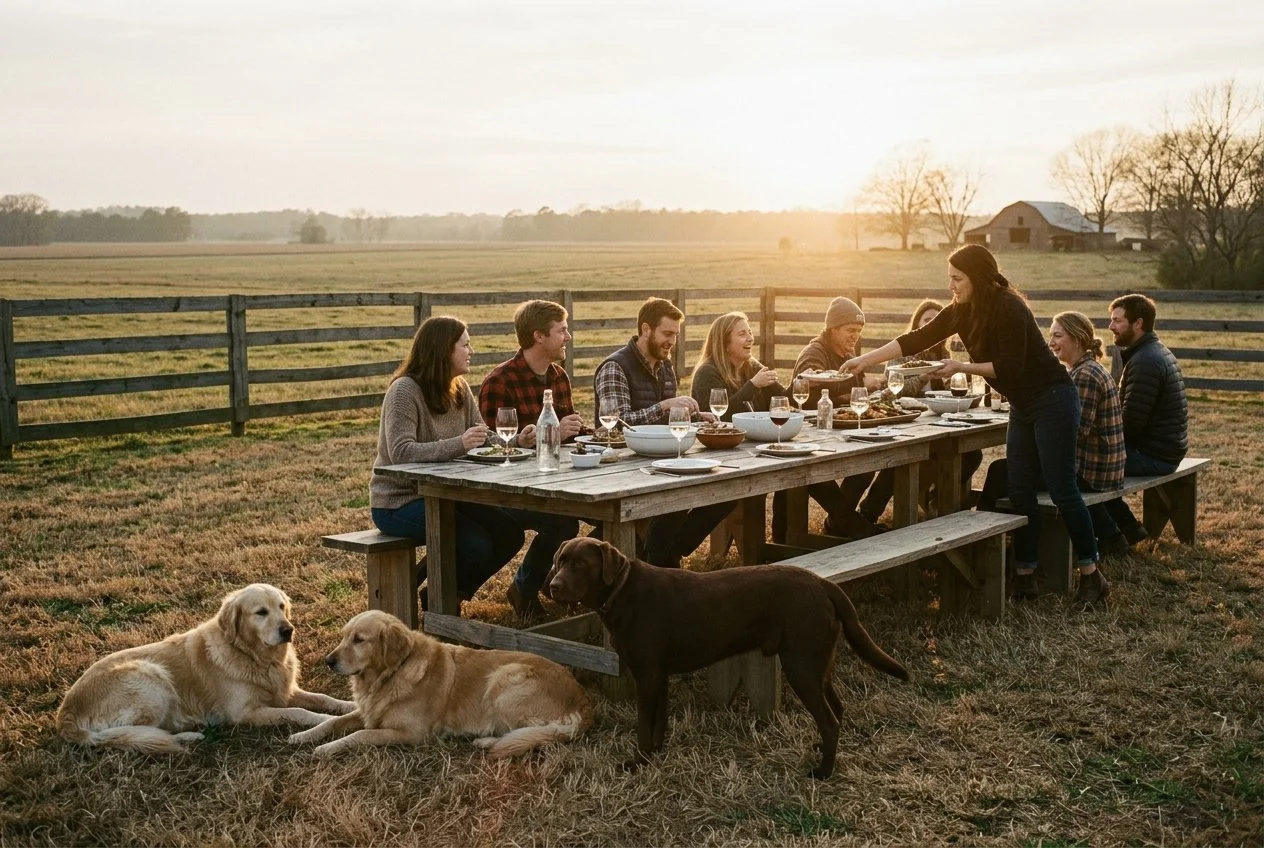
Believing “My Kids Will Figure It Out” and “This Is the Way We’ve Always Done It” Can Put Your Land at Risk
It’s easy to rely on tradition. Many farmers tell themselves, “My kids will figure it out,” or, “This is the way we’ve always done it.” Both are comforting thoughts, but they often fail in today’s world.
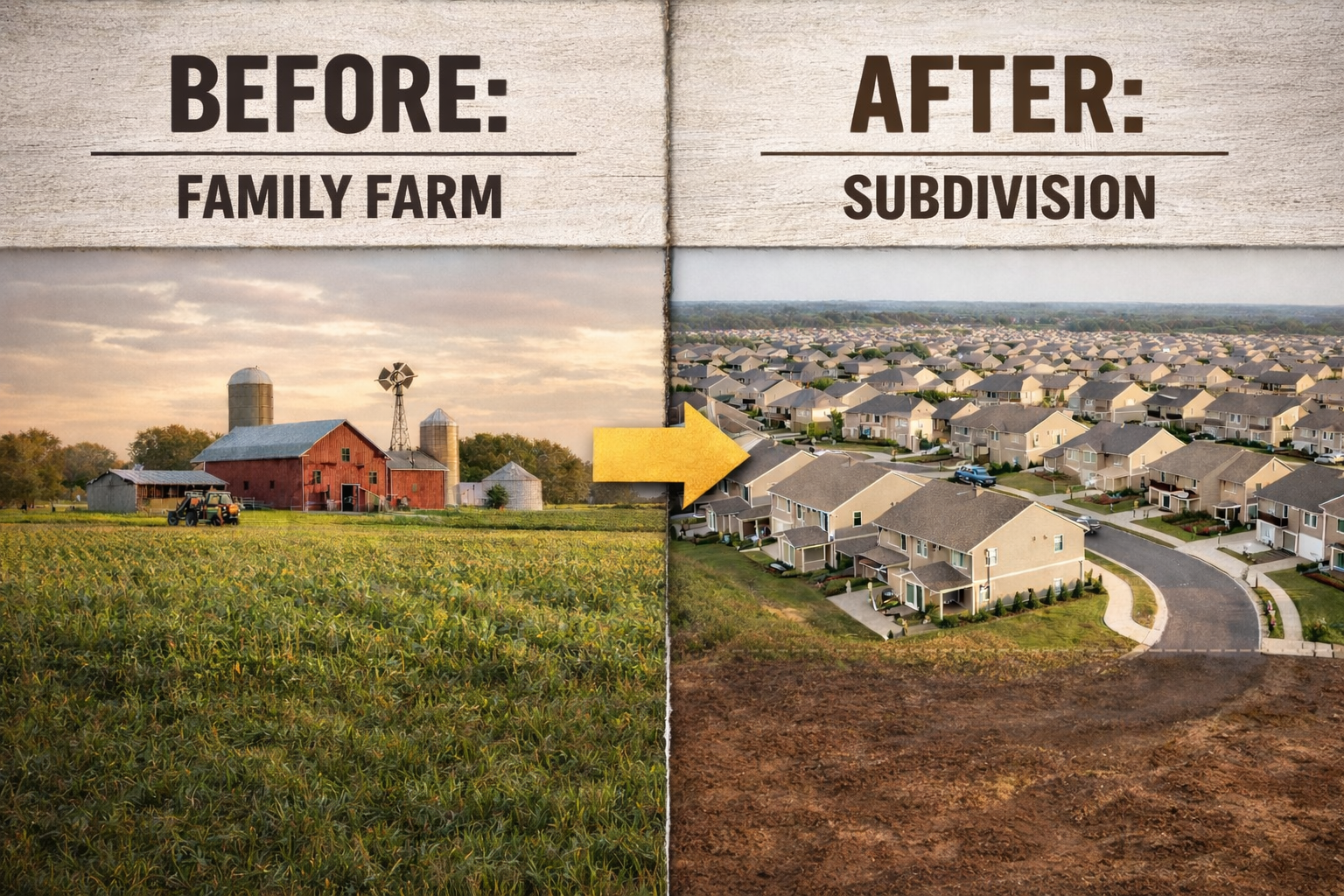
Rural land faces pressures that didn’t exist a generation ago. Land values are rising, taxes and operating costs are higher, and developers are looking for every opportunity. Without a clear plan, working farms can quickly be sold or carved into cookie-cutter subdivisions.
Succession planning isn’t about taking control from your children. It’s about giving them a real chance to carry on the farm and protecting the land and the family from outside forces.
What’s at Stake
Without a plan, even a successful farm can face serious challenges. Taxes can take a bigger bite than expected. Probate can drag on for months or even years, tying up the land and the operation - often costing thousands or even tens of thousands of dollars in legal fees.
Family disagreements often hit hardest. Siblings may disagree on who runs the farm, how it’s divided, or whether it should be sold. These conflicts can linger for years and sometimes end relationships.
Succession planning doesn’t eliminate hard choices. What it does is give the next generation clear guidance and fewer surprises. It helps keep the farm running and the family intact.
Practical Planning Steps
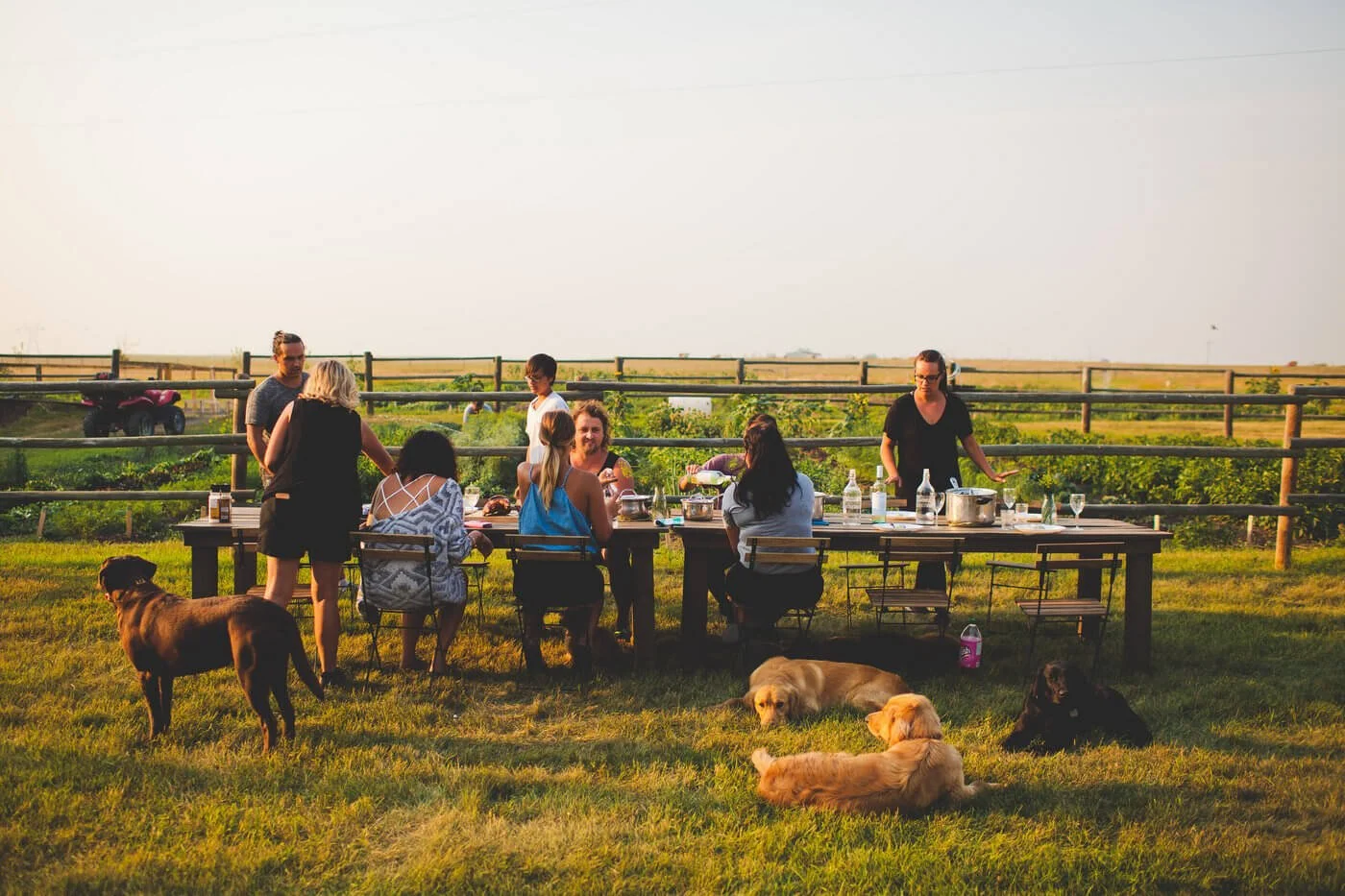
Start by having the conversation with your family. Keep it clear and honest. Make sure everyone understands what you hope to happen and who will be responsible.
Build your team. A good plan benefits from guidance from an attorney, a CPA, or someone familiar with farm operations. They can help with taxes, probate, and the right structure for trusts, LLCs, or other tools that fit your farm.
Put it in writing. Clear documentation prevents misunderstandings and protects both the land and family relationships. You don’t need every detail figured out at once — even small steps make a difference.
Follow along on our social media channels for ongoing guidance on taxes, probate, trusts, and other decisions families face when planning for the farm’s future. When you’re ready to take the next step, contact our office to schedule a consultation. We’ll help you create a plan that protects your farm and your family.
Tools That Help
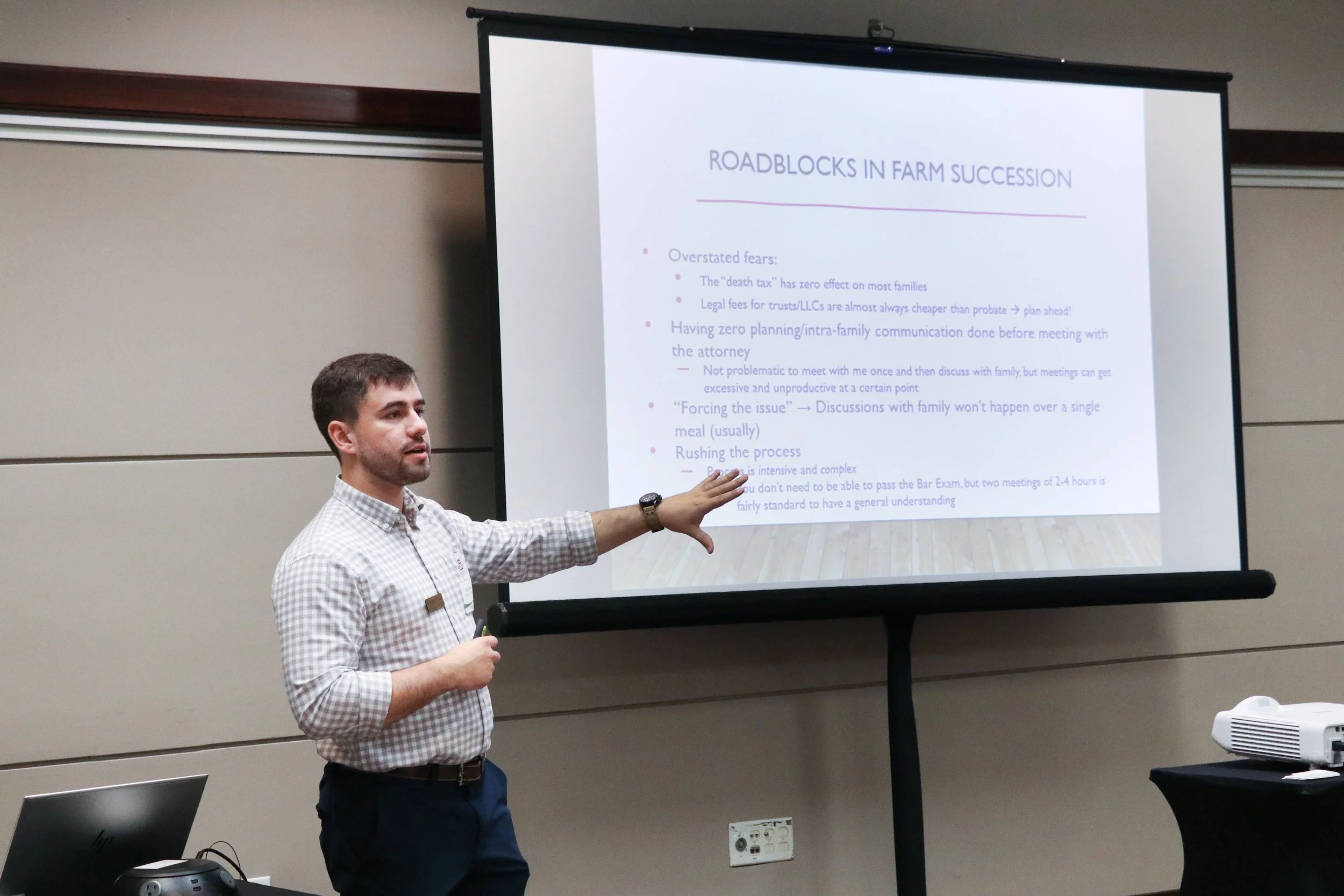
There are several legal tools that can make succession smoother. Trusts, LLCs, and buy‑sell agreements can clarify ownership, reduce conflict, and help manage taxes. Each tool has a purpose, and the right combination depends on your farm and your family.
A well-drafted estate plan and succession plan work together. The estate plan handles asset distribution. The succession plan keeps the operation running. Using both helps ensure your wishes are carried out and your farm remains intact.
These tools are not one-size-fits-all. Getting professional guidance ensures they are structured correctly for your farm. Contact our office to review your options and decide which tools fit your family and operation best.
Frequently Asked Questions:
Farm Succession
Q: “My kids will figure it out”—is that a safe plan?
A: Not usually. Leaving your farm to your kids without a clear plan can cost a lot more than you think. Probate can be expensive, slow, and unpredictable, and it often leaves your farm vulnerable to outside pressures from developers or investors. Setting up a trust or other succession plan can protect the farm, save money, and make sure it stays in the family exactly the way you intend.
Q: But this is the way we’ve always done it?
A: Times have changed. Land values, taxes, and the pressures of development are very different now than they were a generation ago. Relying on “the way we’ve always done it” can leave your farm exposed to unexpected financial or legal challenges. Careful succession planning takes modern realities into account so your farm can thrive for generations.
Q: Why do all the farms around me keep turning into cookie-cutter neighborhoods?
A: More and more people want to live in rural areas, which drives demand for real estate development. When farms go into probate or lack a clear succession plan, there’s uncertainty about who will take over or what will happen to the land. Developers and investors see opportunities in that uncertainty, which is why farmland sometimes ends up being sold and turned into subdivisions. Clear planning and strong estate strategies can help keep your farm intact, prevent surprises, and make sure it passes to the people you intend.
Q: Why can’t I just give the farmland and other property to my kids?
A: It’s a noble thought, and your intentions are admirable. The problem is that simply handing property over can create big tax consequences and sometimes even put you at risk of losing control. There are smarter ways to pass property—through trusts, LLCs, or other planning tools—that let you minimize taxes while keeping the farm under your oversight until you decide it’s time to transition. This approach gives you control and peace of mind.
Q: What happens if family members disagree about the farm?
A: Disagreements can happen, even in the closest families. Clear succession planning, open communication, and properly drafted agreements can prevent conflicts before they start. My job is to help you put those protections in place so the farm and family relationships remain strong.
Q: How can I make sure a special family item goes to the right person?
A: Yes. For items with sentimental value, like an engagement ring, a family heirloom, or a favorite rifle, I include a TPP (tangible personal property) memorandum with every will I prepare. This separate list lets you specify who should receive each item without having to rewrite the entire will, making it simple to keep your wishes clear and up to date.
Q: How can you help with farm succession planning?
A: I guide you through the legal tools and strategies that fit your farm and family, like trusts, LLCs, and conservation easements. I also connect you with accountants, financial advisors, and other experts when needed, so your plan is thorough and practical. The goal is to protect your farm, keep it productive, and make sure it passes to the next generation the way you intend.
Q: I’m worried my farm is near the estate tax (‘death tax’) threshold—should I trust a small law firm with this?
A: It’s a common concern. While small firms sometimes make people nervous on big tax issues, I have partnerships with large law firms that specialize in estate tax planning. This lets me focus on the personal, farm-specific, and family aspects of succession planning, while the big firm ensures all the tax matters are handled properly. By combining the strengths of both small and large firms, you get a plan that’s comprehensive, practical, and protects your farm for the next generation.
Contact me
Interested in working together? Fill out some info and I will be in touch shortly. I can’t wait to hear from you!